EPA questions bridge project
Unclear if objections will put halt on project
By Cindy Beamon
Staff Writer
The Daily Advance
Even though state lawmakers have appropriated funding for a
mid-county bridge in Currituck, a federal agency is questioning the
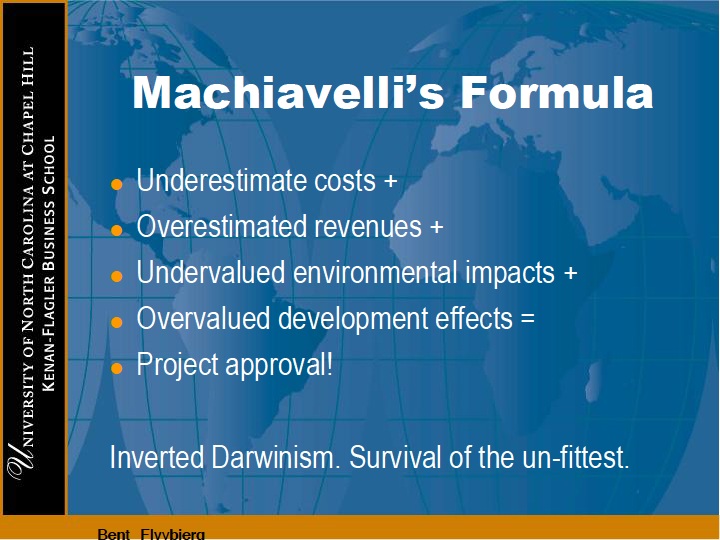
need for the project at all. The U.S. Environmental Protection Agency says a bridge joining Currituck’s mainland to the Outer Banks would have “significant environmental impacts” and recommends the North Carolina Turnpike Authority rethink its plan to build a $800 million bridge altogether.
Widening U.S. Highway 158 and N.C. Highway 12 would be the better
alternative — both economically and environmentally, said Chris
Militscher, environmental scientist for EPA. Adding a costly, seven-mile bridge across Currituck Sound does not make sense, Militscher said, questioning why it has become the favored option for the Turnpike Authority. “There are reasons behind this that have not been fully discussed,” Militscher said.
Jennifer Harris, director of planning and environmental studies for
the Turnpike Authority, said the bridge is an “important project
for the region and the state” and has long been supported by state
legislators and county leaders. She also says the EPA’s suggestion about upgrades to U.S. 158 and N.C. 12 has one major flaw. Widening the highways may cost less, but it’s “not financially viable,” she said.
No funding is available for the option the EPA is recommending,
Harris said. Without a bridge, the project to ease summer beach
traffic congestion would have no funding, she said.
In June, state lawmakers appropriated $15 million a year for the next three years and $28 million afterward for up to 50 years to subsidize construction for the mid-county bridge project. The state plans to pay for the rest with federal loans and private financing in a public-private partnership with ACS Dragodos, a Spanish bridge building company. Tolls collected from motorists crossing the span are expected to help recoup most of the construction costs while state “gap funds” will pay for the rest.
At the heart of the EPA’s objections to the bridge are questions about its need. The seasonal traffic congestion can best be remedied by widening roads, not by building a costly bridge during economically tight times, Militscher said. A letter from Heinz J. Mueller, chief of the EPA Program Office, to Harris on June 4 makes the same point. “Shrinking transportation dollars and increased maintenance and repair costs for infrastructure in areas that are very vulnerable to severe weather conditions such as high winds and storm surges and salt air and water should be a very important consideration for decision-makers,” the letter states. Mueller also outlines a number of environmental concerns about the project in the letter, part of the federal agency’s official response to the Turnpike Authority’s Draft Environmental Impact statement on the bridge project. Continue reading